
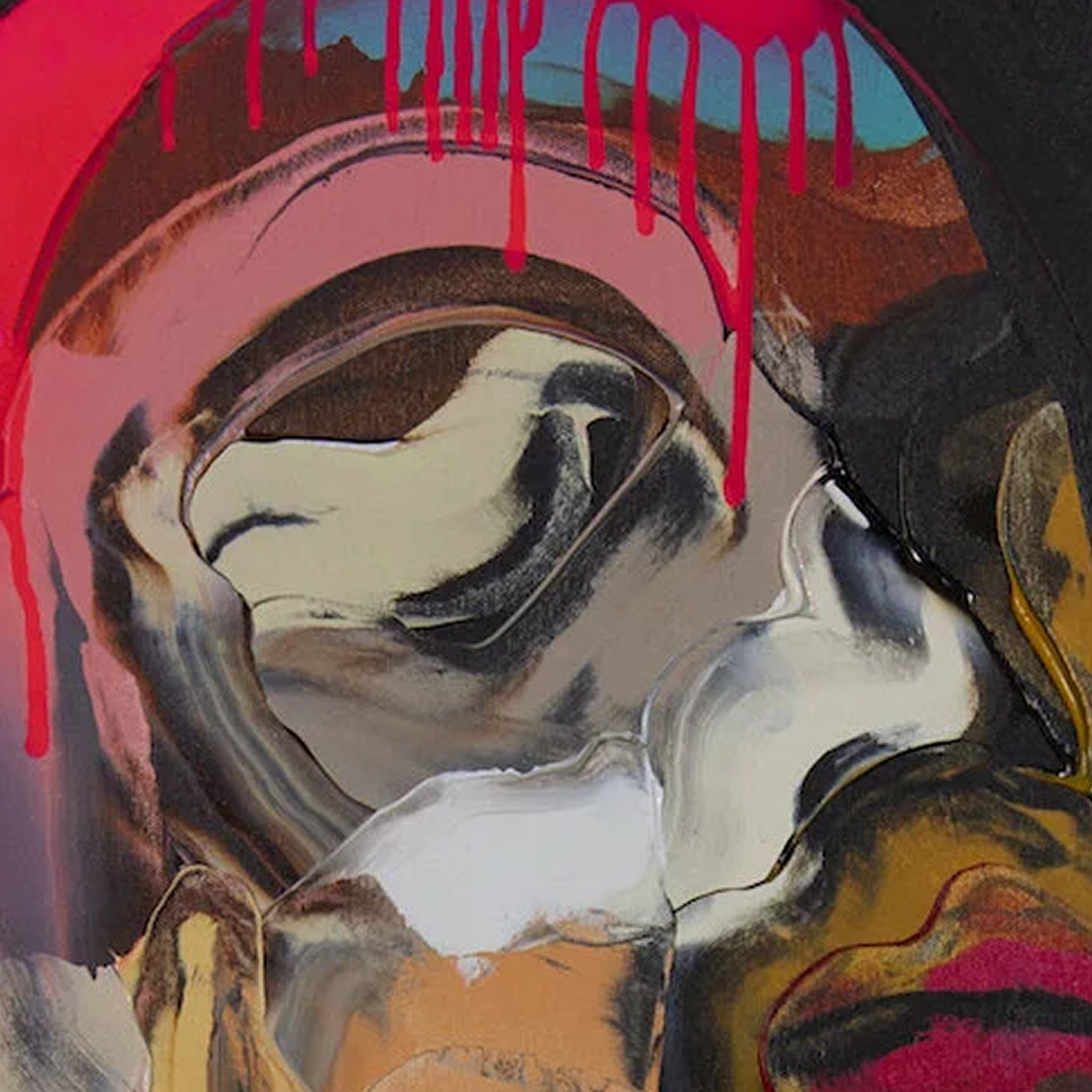
When an artwork appears in a Salon exhibition, it has already passed through a careful process of review, selection and preparation.
This is an important part of the Salon model. We do not present an open marketplace where works are simply uploaded and listed for sale. Each artwork is considered before it reaches the collector. It is reviewed, acquired, received, checked, photographed, catalogued, authenticated and framed before it becomes part of an exhibition.
The aim is simple: to create a more confident way to discover and collect contemporary art.
It begins with professional artists
Salon works with professional contemporary artists who are actively developing their practice.
Artists submit works to Salon through a structured monthly process. Alongside the artworks themselves, they share information about their practice, their materials, and the ideas or questions that inform the submitted works.
This gives the review process more depth. The work is not seen only as an image on a screen. It is understood in relation to the artist’s wider practice, intentions and development.
Independent critical review
Submitted works are reviewed with the involvement of independent art critics.
This critical layer is central to Salon. It creates space for informed discussion before any work is acquired or exhibited. The review considers the strength of the work, its relationship to the artist’s practice, and whether it feels right for Salon’s exhibition reserve.
The process is not about reducing art to a formula. Contemporary art cannot be assessed in a purely mechanical way. It requires looking, interpretation, judgment and dialogue.
What Salon does is give that judgment a structure.
Selection is followed by commitment
When a work is selected, Salon acquires it from the artist before it is shown publicly.
This matters. It means that selection is not only a curatorial gesture, but also a commitment. Salon takes responsibility for the work before presenting it to collectors.
For artists, this creates a more serious relationship than simply being listed on a platform. For collectors, it means the works they see have already been through a process of review and commitment before reaching the exhibition.
The artwork arrives at Salon
After acquisition, the selected artwork is sent to Salon in France.
When it arrives, the work is checked carefully. Salon confirms that the physical artwork corresponds to the submitted work, that it is in acceptable condition, and that its key details are correct.
This stage is practical, but it is also important. It protects the integrity of the process. The artwork that reaches the collector should be the artwork that was reviewed, selected and acquired.
Photography, cataloguing and description
Once the artwork has passed intake, it is photographed and catalogued.
Accurate photography is essential because many collectors first encounter the work online. The image must allow the artwork to be seen clearly, while still recognising that no photograph can fully replace the experience of a physical work.
The artwork’s details are then checked and prepared for public display. This includes the title, artist name, year, medium, support, dimensions and public artwork description.
At this stage, Salon also prepares the language that helps collectors spend time with the work. The description is not there to over-explain the artwork. It is there to offer a way in.
Authentication and provenance
Each artwork is also prepared with attention to authenticity and provenance.
Salon records the artwork’s identity, links it to the artist and the relevant exhibition context, and applies the appropriate provenance process before the work is framed and presented.
For collectors, this helps create confidence. The work is not an anonymous object moving through an online transaction. It is part of a documented chain: artist, review, acquisition, preparation, exhibition and collection.
Framing and presentation
Before exhibition, each Salon artwork is framed according to the Salon format.
The consistent format is part of the collector experience. It allows works by different artists to sit in conversation with one another, while making it easier for collectors to compare, arrange and live with the works over time.
The frame is not intended to overpower the artwork. It is there to give each work a clear, elegant and consistent presentation.
From reserve to exhibition
Once an artwork has been reviewed, acquired, received, checked, photographed, catalogued, authenticated and framed, it becomes available for Salon’s exhibition reserve.
From there, artworks are selected into focused online exhibitions shaped by curators.
This means that the collector does not encounter artworks as isolated products. Each work appears within a broader exhibition context, alongside other works selected to create a particular mood, question or point of view.
Why this process matters
The Salon process exists to make collecting feel more considered.
For artists, it creates a serious structure around submission, review, acquisition and presentation.
For curators and critics, it creates a meaningful role in shaping how works are assessed and contextualised.
For collectors, it creates a clearer path into contemporary art. Instead of endless browsing, the collector enters a focused exhibition. Instead of uncertain selection, the collector sees works that have already passed through review and preparation. Instead of a purely transactional purchase, the collector joins a longer chain of artistic and curatorial attention.
That is what makes Salon different.
By the time an artwork reaches a Salon exhibition, it has already been looked at carefully. It has been selected with intention, prepared with care, and placed in a context designed to help collectors see more clearly.
The collector’s decision remains personal. But it is no longer made in isolation.
